EZRA
YEAR
Designed in 2024-2025
TYPE
Honours Degree Project
Duration
8 months
SOFTWARE
Solidworks, Keyshot, Illustrator, Photoshop
SKILL SETS
Sketching, CAD, CMF, branding, visualisation
Modern workspaces, modern challenges.
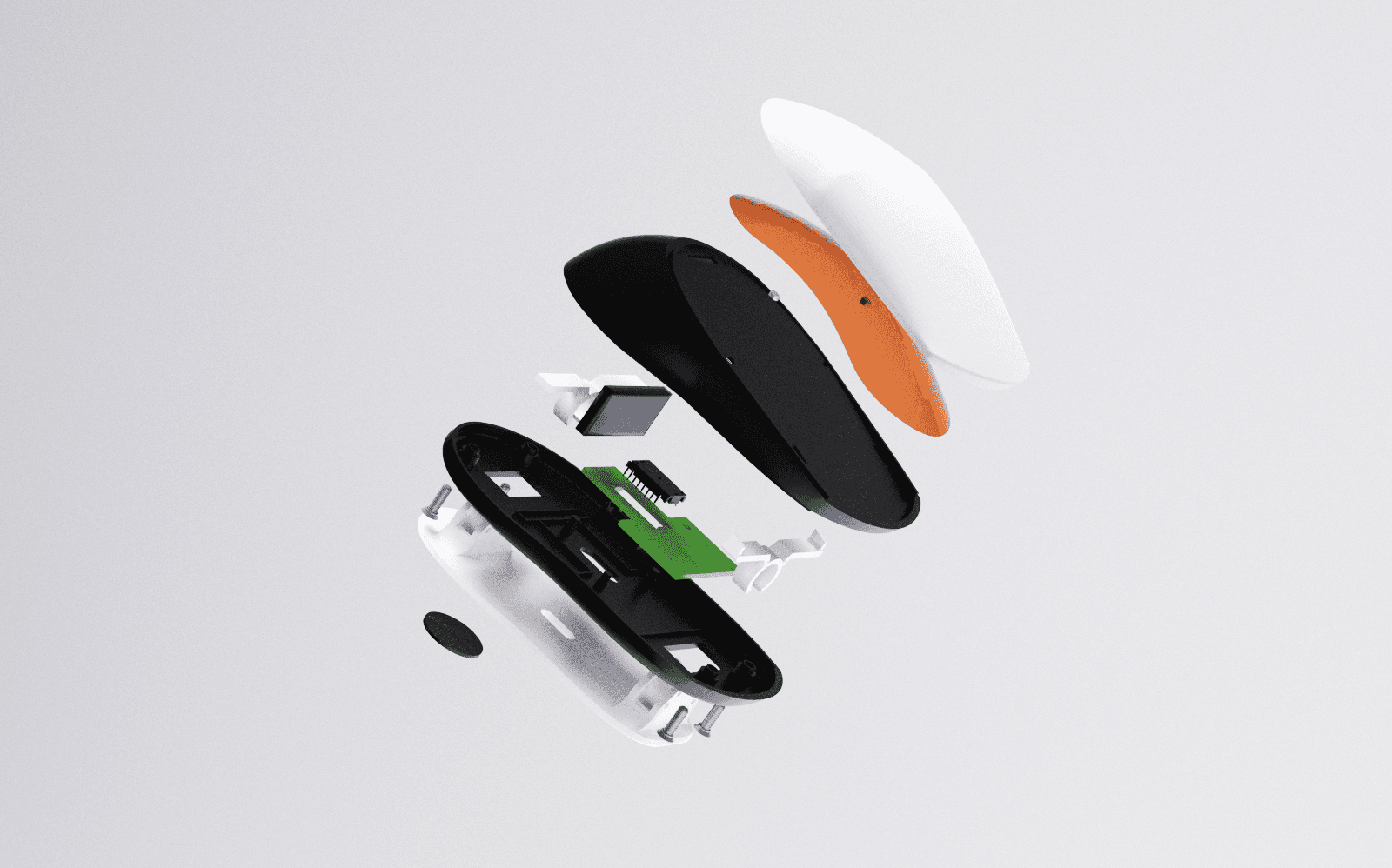
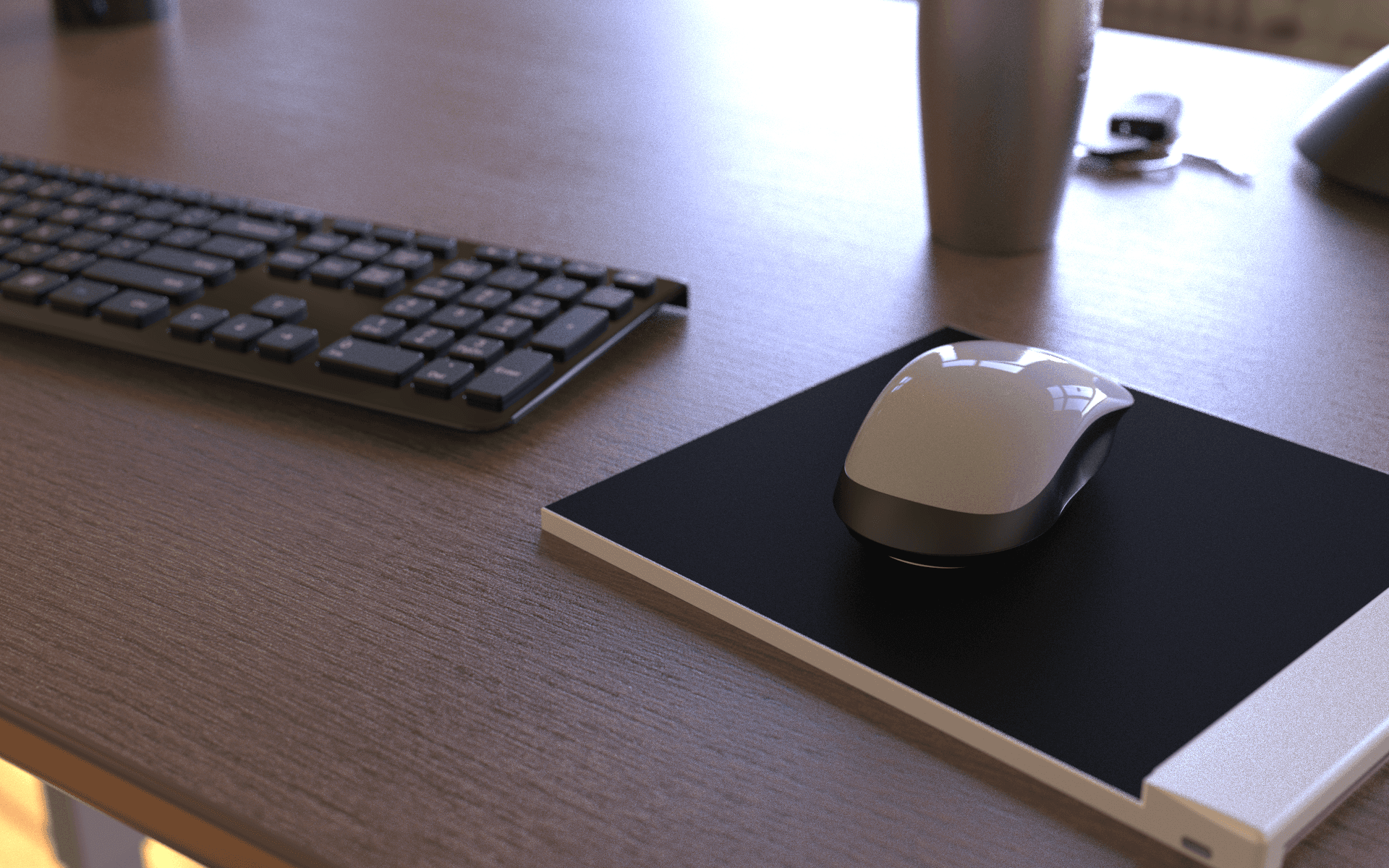
Ezra was designed to provide a compact, ergonomic
workspace solution for remote professionals.
Increased reliance on computers for work and study underscores the critical need for properly fitted input devices. Ill-fitting mice lead to improper wrist positioning, significantly increasing the risk of RSI and MSD.
Research section
My research focused on urban remote workers who rely heavily on computers in small apartments.
80%
Daily Usage
Above 6 hours of mouse use per day
70%
Physical Discomfort
Wrist, finger and arm pain reported
80%
Size Complaint
Mouse size mismatch with hand
60% users suffer from MSDs and RSIs.
A staggering number — yet most continue using mice that don't fit, pushing through discomfort to meet deadlines. Survey of 40 users confirmed: pain is common, but action is rare.

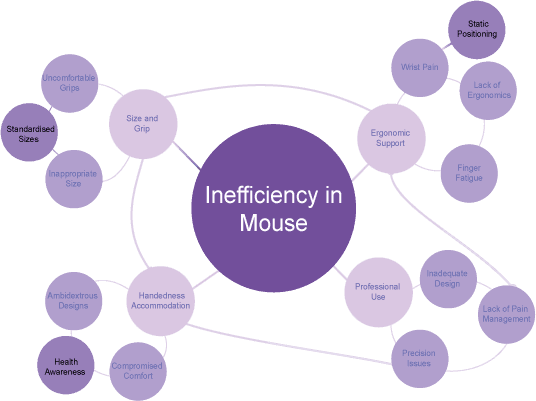
Users, tasks and situations.
I mapped out the tasks and situations these users faced, pinpointing inefficiencies in standard mouse designs
From a rigid mouse to a neutral wrist position.
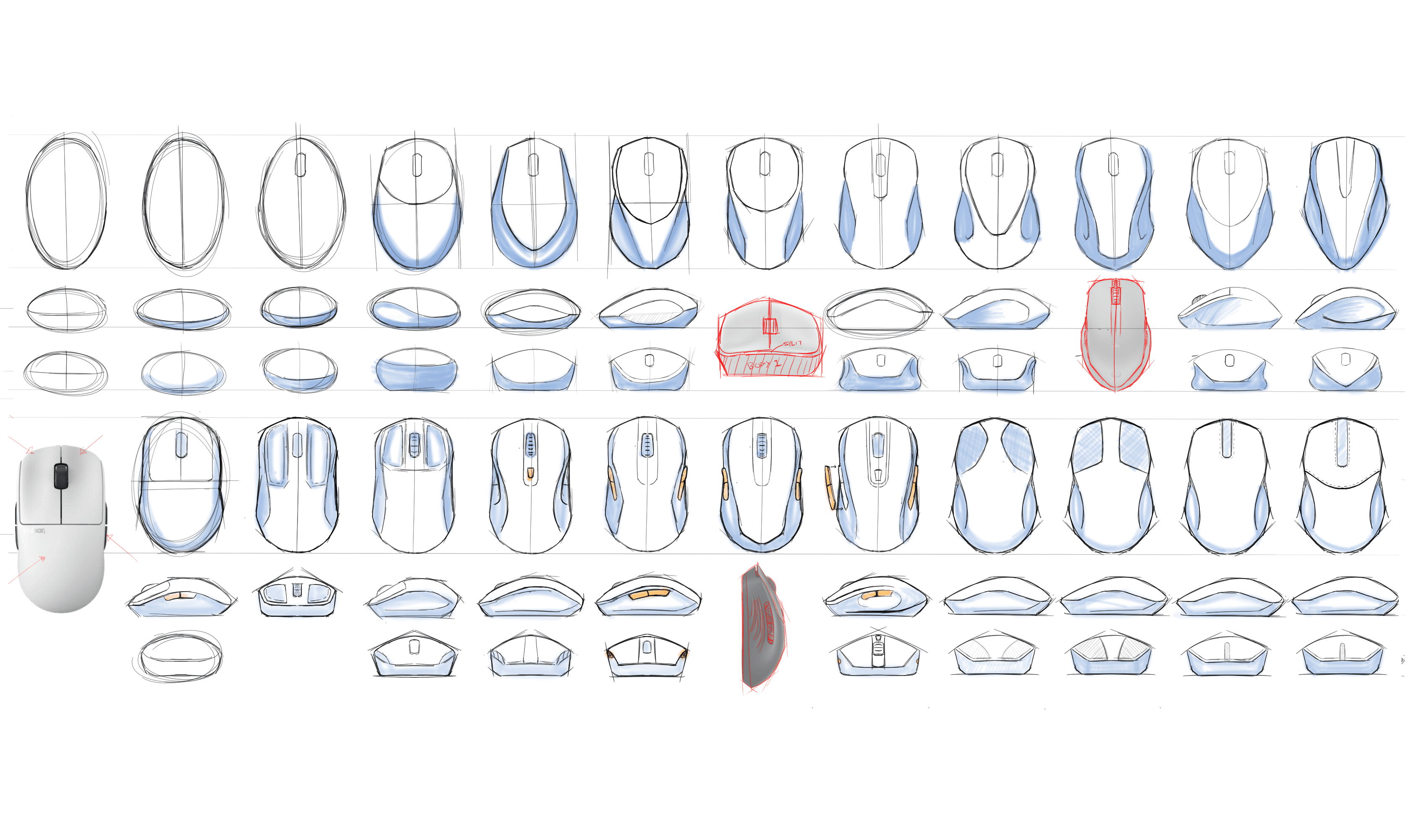
he initial concept focused on a standard symmetrical shell — easy to produce but ergonomically limited. Inspiration from vertical mice led to a tilt-based approach.
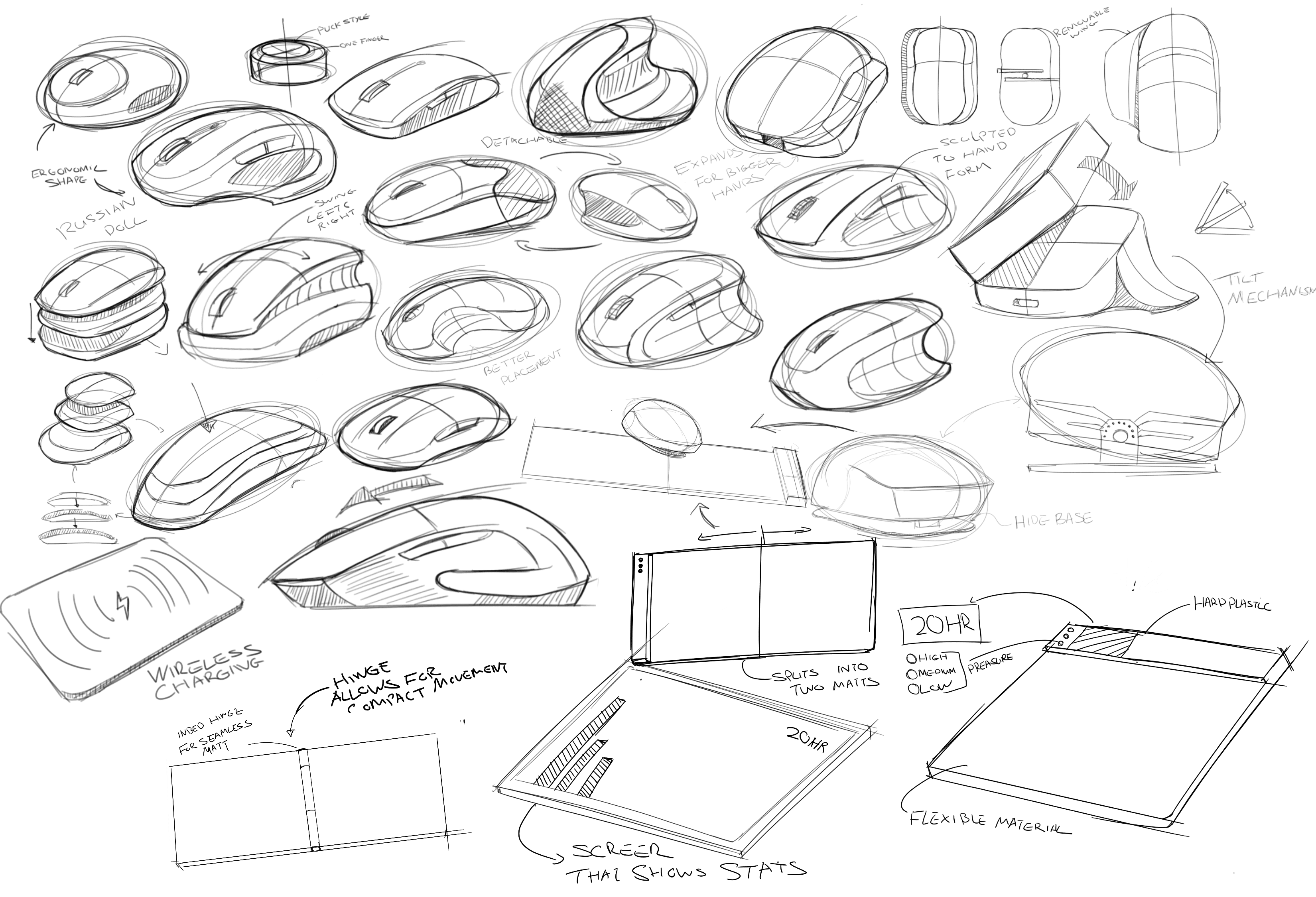
Iterating on a tilt-based ergonomic form.
he initial concept focused on a standard symmetrical shell — easy to produce but ergonomically limited. Inspiration from vertical mice led to a tilt-based approach.
Tilt to access comfort.
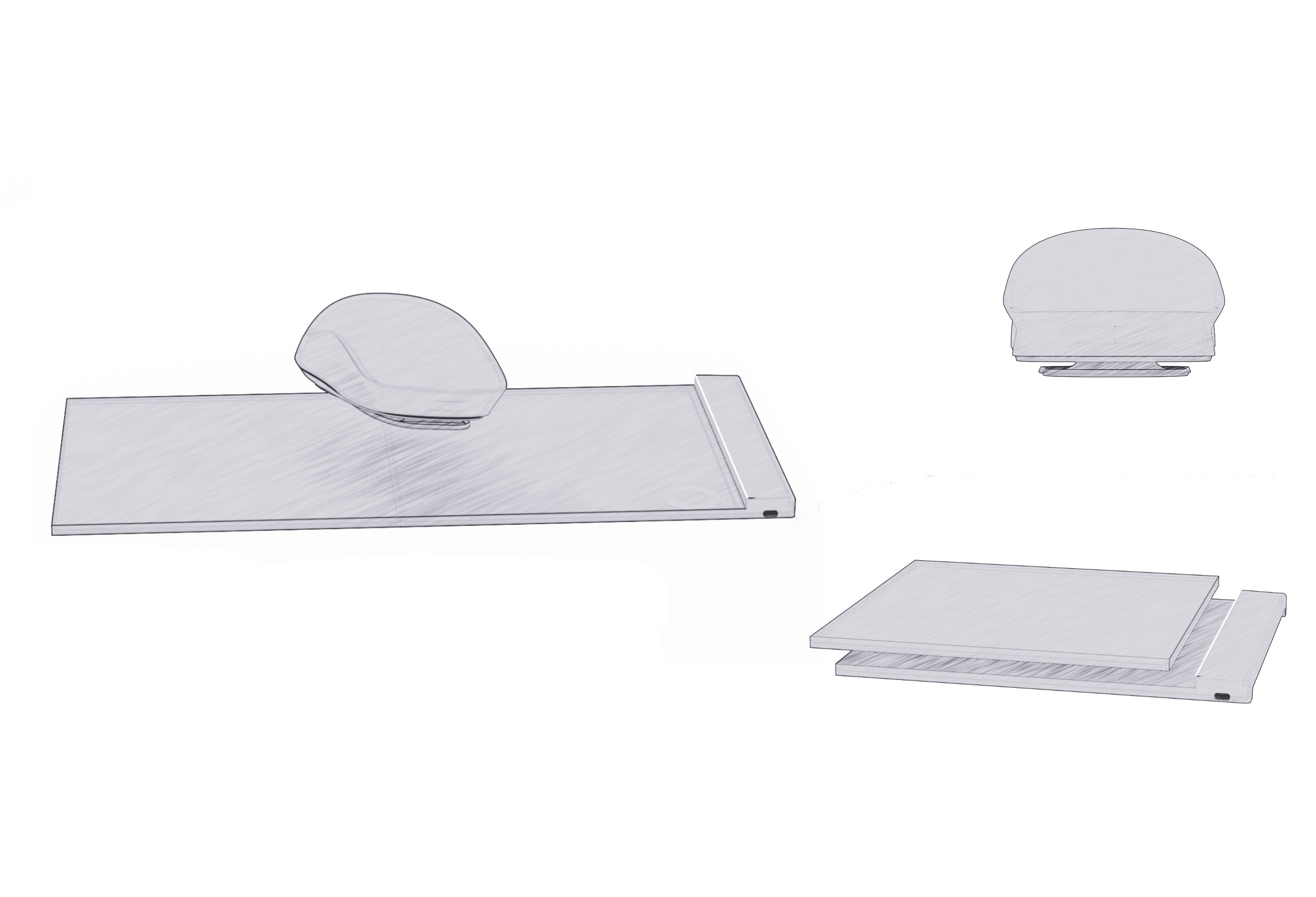
EZRA transitions between standard and vertical positions, allowing users to find their optimal ergonomic angle. Tilts in both directions for true ambidextrous use.
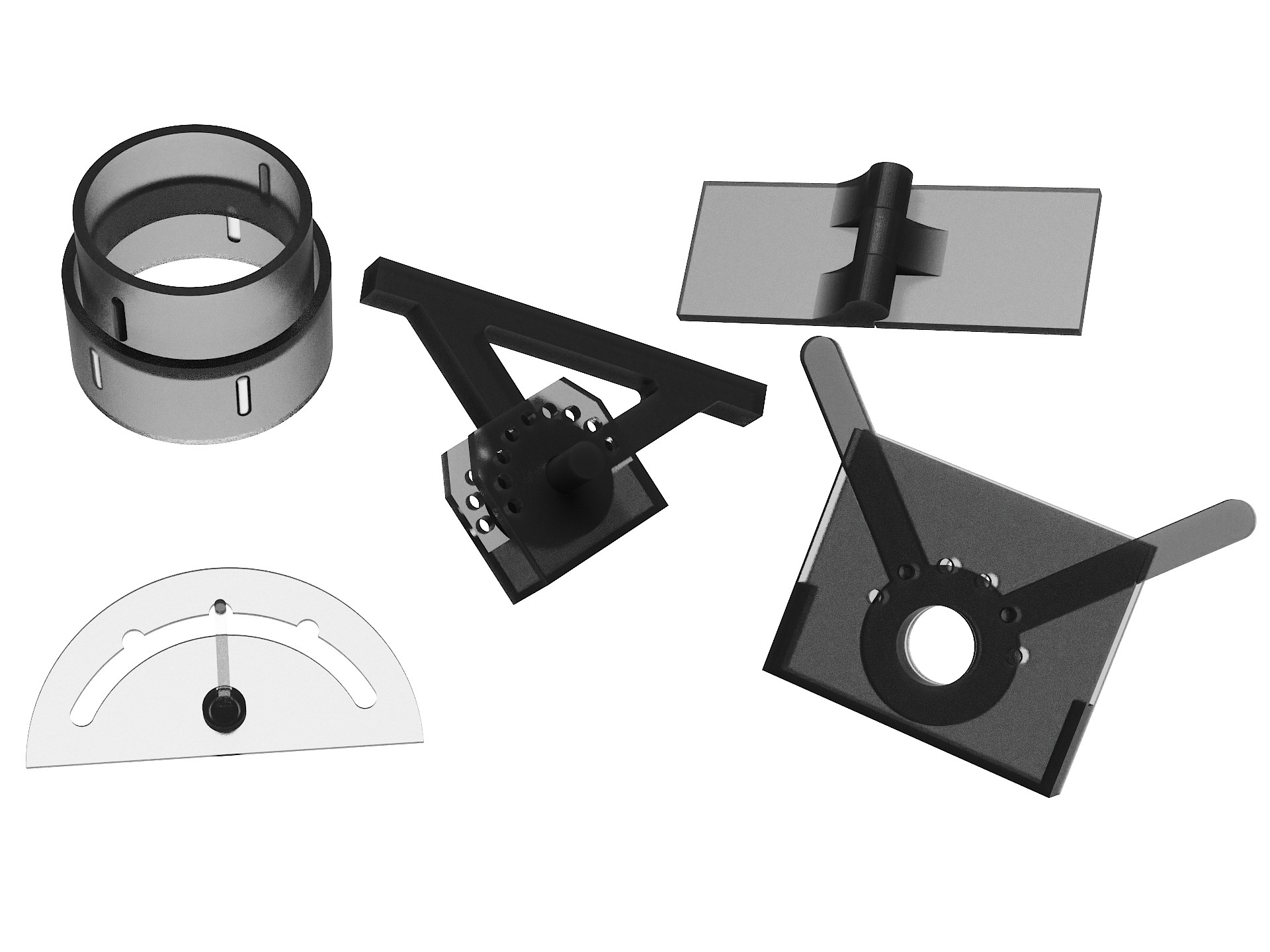
A handful of tools to create a thoughtful design.
EZRA transitions between standard and vertical positions, allowing users to find their optimal ergonomic angle. Tilts in both directions for true ambidextrous use.
Vertical tilt, 0–15°
EZRA transitions between standard and vertical positions, allowing users to find their optimal ergonomic angle. Tilts in both directions for true ambidextrous use.
Touch sensors. Zero mechanical clicking.
Capacitive touch replaces mechanical buttons. The mat monitors grip force in real time — LED cues guide users toward healthier habits and reduce cumulative strain.
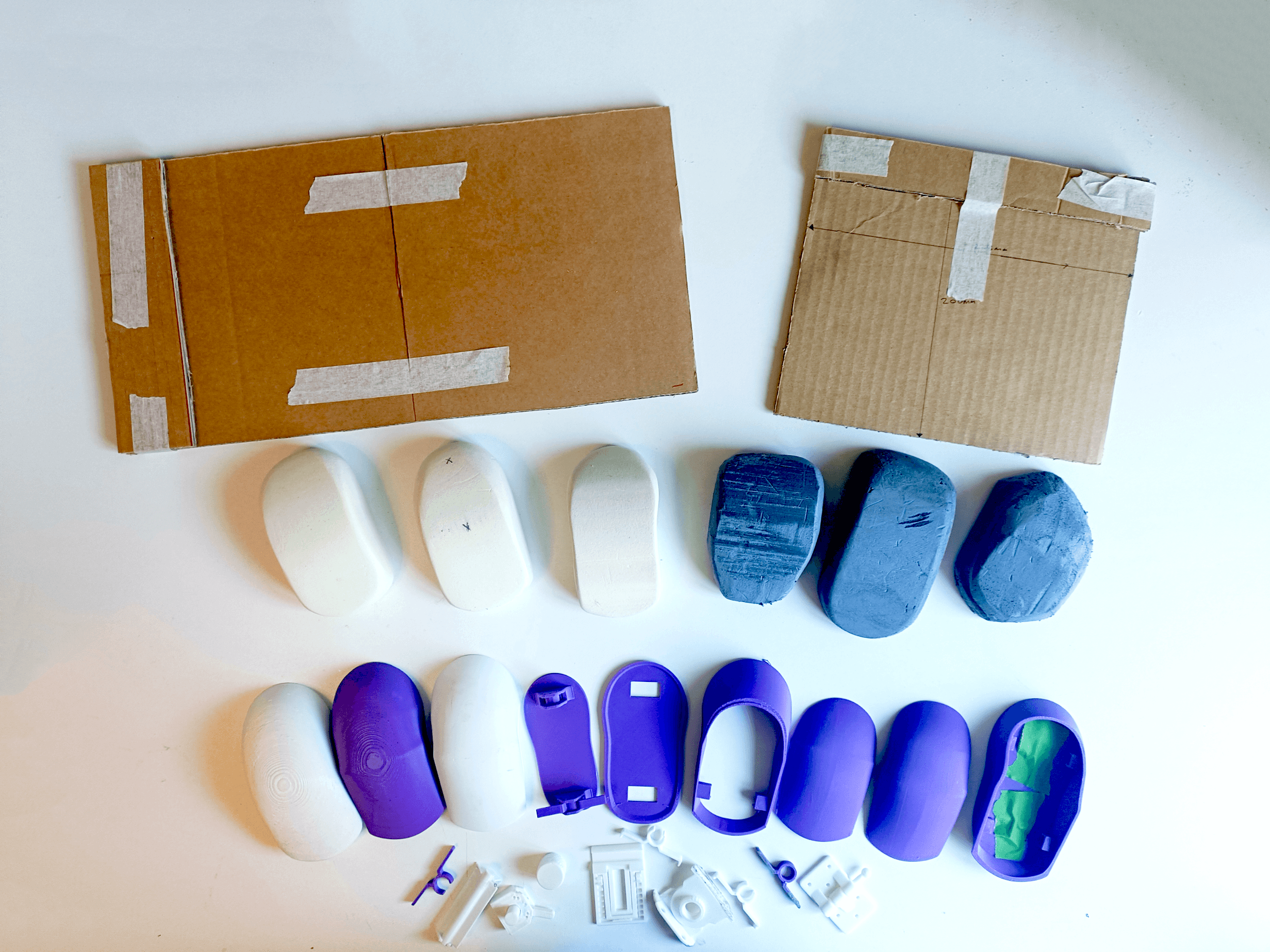
Trial and error to technical precision.
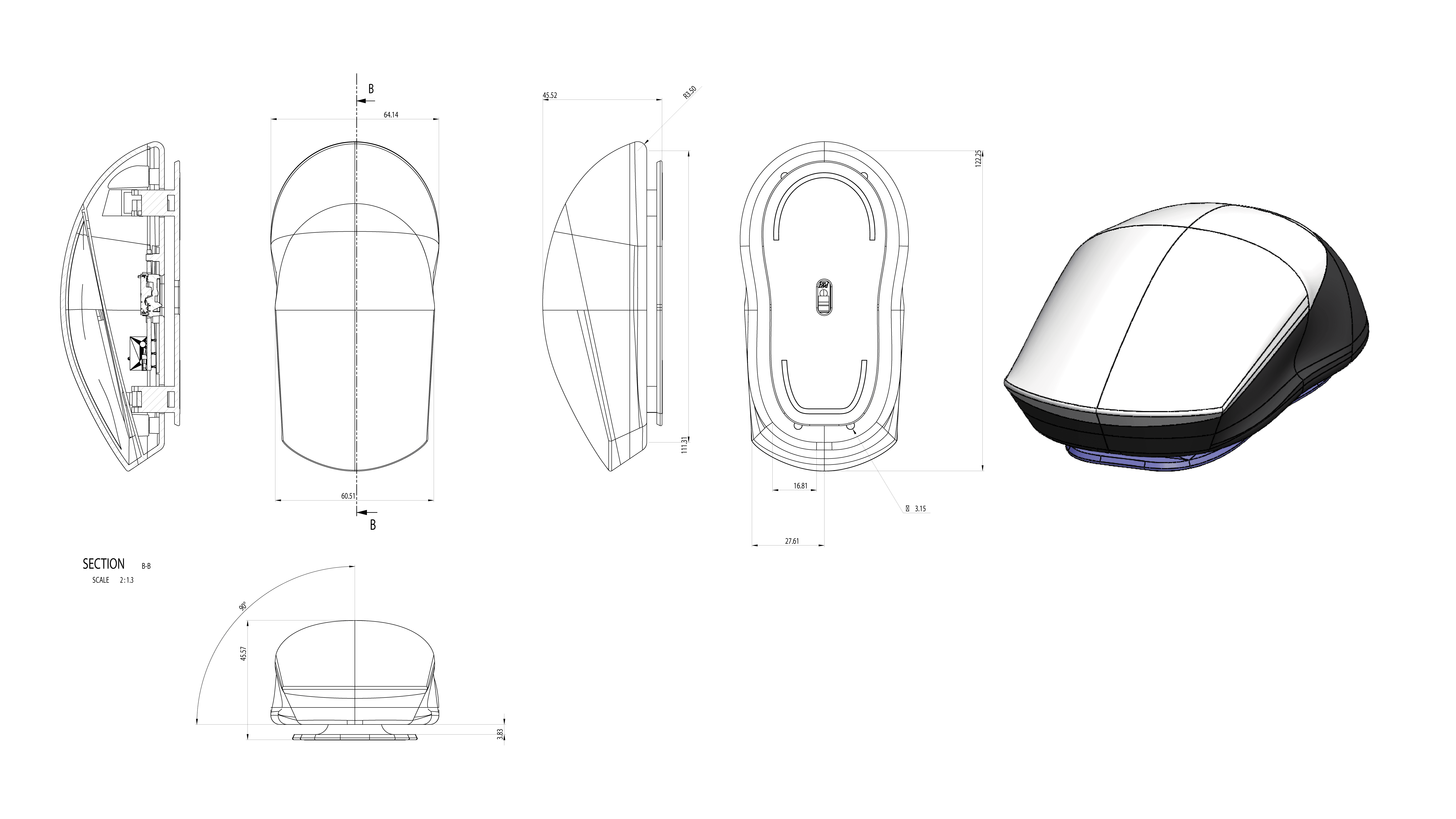
Using Henry Dreyfuss data (5th–95th percentile), EZRA accommodates diverse hand sizes while meeting DFMA standards for the tilt mechanism and sensor assembly.
Born neutral.
A new standard for ergonomic input.